Countless places where this can go wrong
A programme does not fail at the tasting.
It fails in a tank cleaned badly, in a lot blended without a record, in an analysis that arrived late, in a container that shipped without approval.
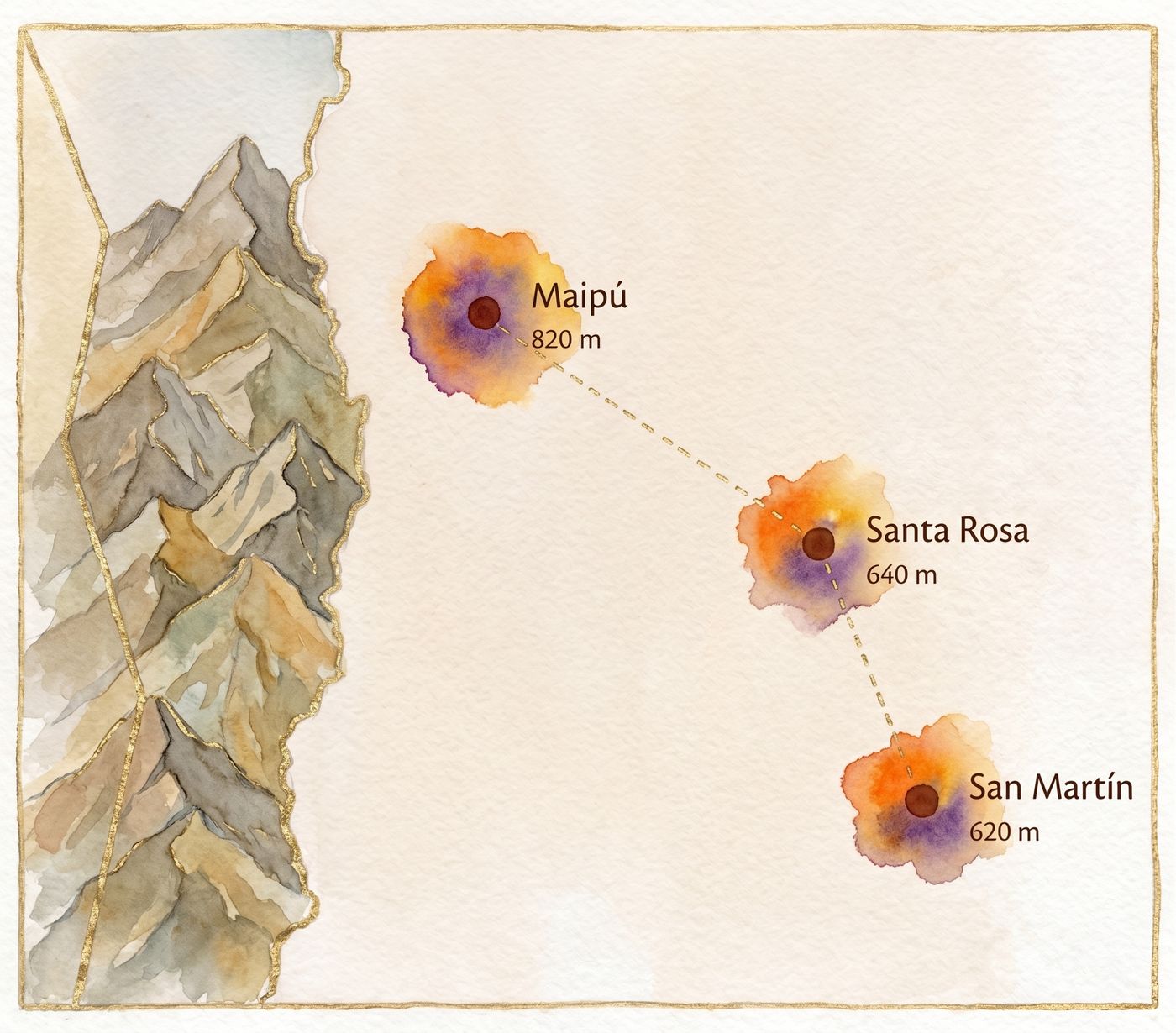
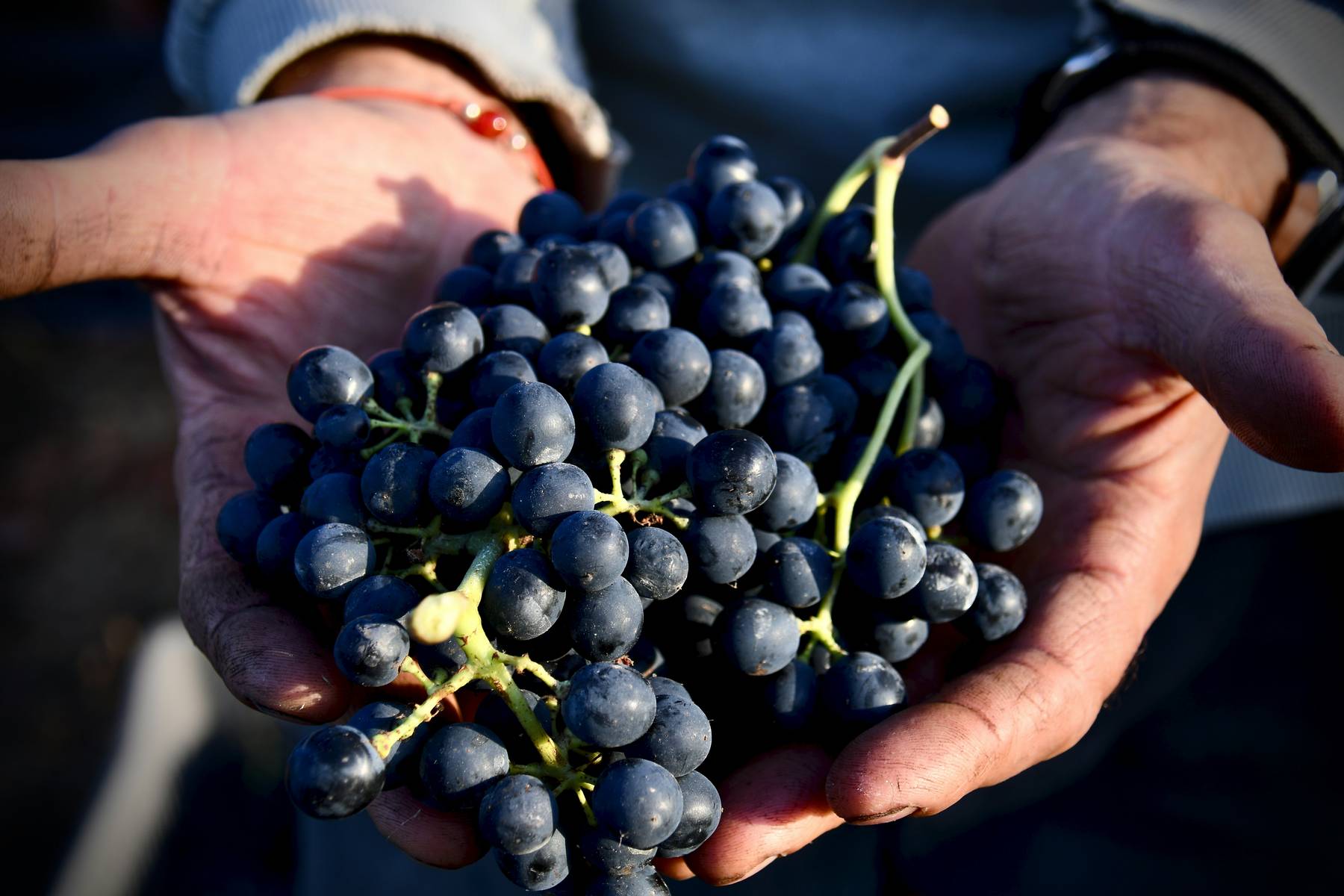
Our vineyards
370hectares we do not have to go looking for
In bulk, most sellers are selling wine they bought. Their quality depends on what they can source that year and at what price.
We start from vineyards we own or control. That does not make us better winemakers: it makes us predictable.
We commit volume knowing where it will come from.
Terroir
Several origins for one profile
An estate wine expresses a place.
An international programme needs the opposite: a profile that holds even when the place changes.
Vineyards across different zones, soils and altitudes let us offset a weak year in one with what another delivered, and ship the same bottle.
Vineyard management
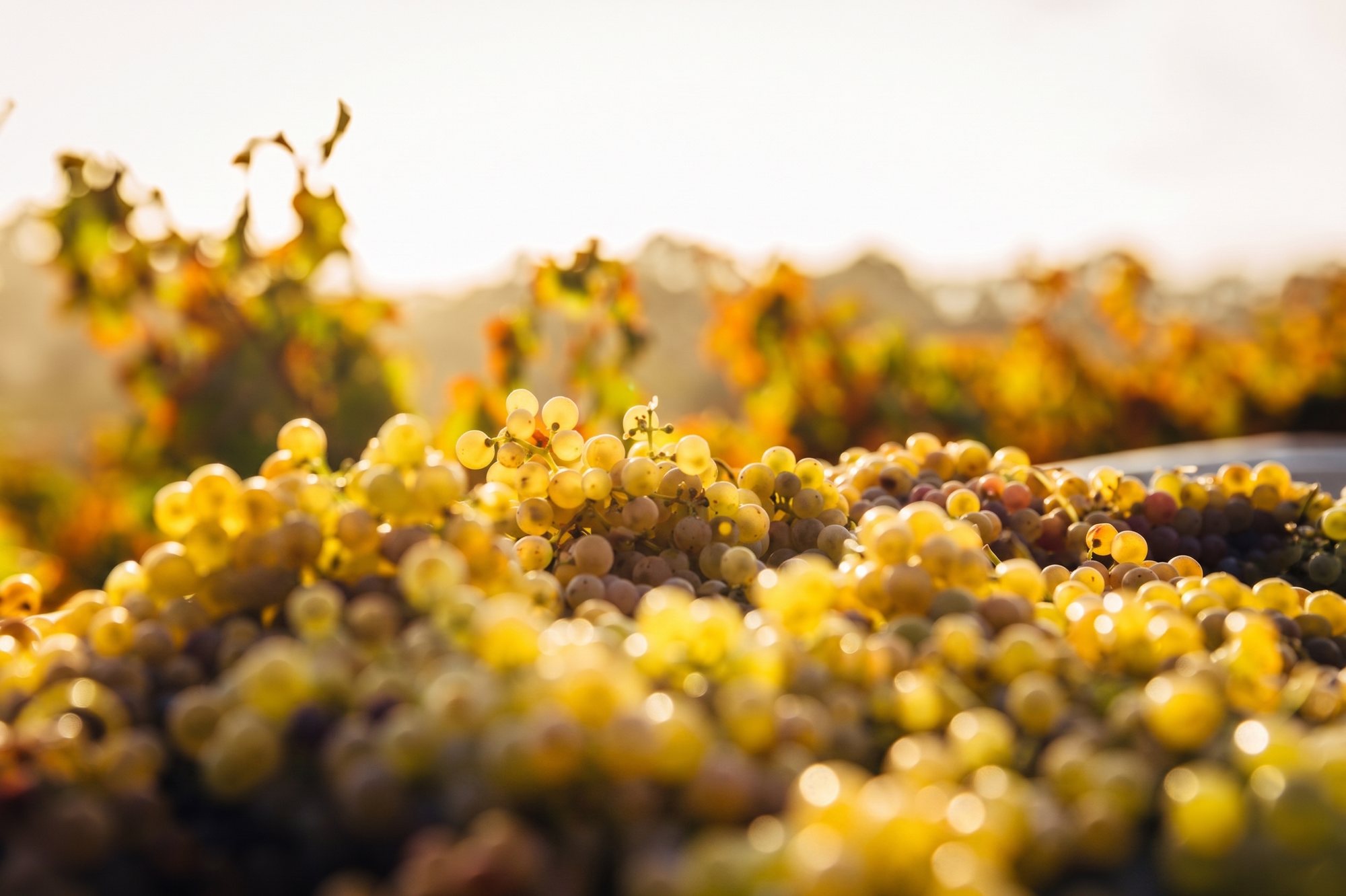
It is decided at pruning, not in the winery
The profile is settled before harvest: crop load per vine, irrigation, picking date.
We work backwards from the commercial objective. If the programme needs fruit, the vineyard is managed for that. If it needs structure, it is managed differently.
The agronomic conversation starts with a price.
Winemaking process
The objective is not the best wine. It is the same wine
Any winemaker makes an extraordinary wine once. Making it eight years running, across eight different harvests, is another problem entirely.
Yeasts, temperatures, maceration and final blend are all subordinated to a profile documented with the client.
Nothing is improvised, upwards or downwards.
Thermovinification
The tool that rescues the difficult year
It applies controlled heat to the fruit before fermentation. It extracts colour and fruit far more efficiently than traditional maceration and reduces the dependence on a perfect harvest.
It solves the most expensive problem an international programme has: vintage variation. It reaches the colour and intensity committed to in a year that would not have delivered them on its own.
It is technology, not magic. And it is one reason we can commit to a profile across several years.
Colour extraction
Depends on the quality and ripeness of that year’s fruit.
The target is reached even when the harvest does not cooperate.
Process time
Days of maceration per tank.
Hours. It frees tank capacity in the middle of harvest.
Vintage variation
It carries into the bottle and the consumer notices.
It is corrected inside the range agreed with the client.
Multi-year commitment
Signed vintage by vintage.
Lets a profile be committed across several years.
Tanks and barrels
8 million litres. Capacity to move 30
Concrete, steel, American and French oak. Each material for what it does, none out of tradition.
The figure that matters is not how much we store, but how much we can move.
A supplier without spare capacity becomes a problem the day your programme starts working.
Oenological laboratory
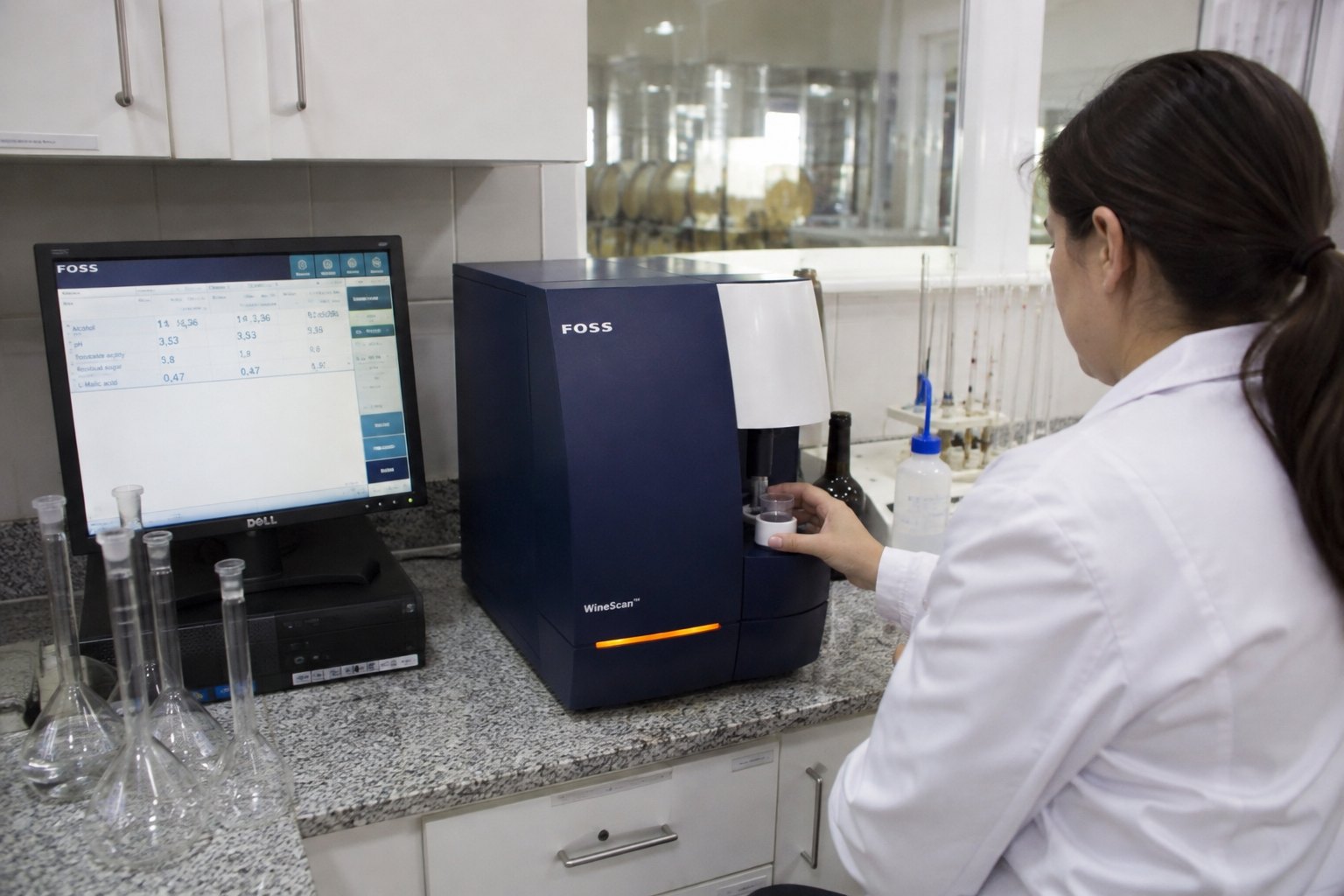
No lot moves without numbers
The laboratory is on site: physical, chemical and sensory controls from fruit intake to dispatch.
When a client asks why this shipment differs from the last one, the answer is not an opinion.
Innovation
Research with a commercial question behind it
We trial varieties, techniques and formats, never out of curiosity. Every line starts with a real problem: a price to reach, a package to lighten, a profile consumers are starting to ask for.
What works goes into production. What does not gets dropped, and said so.
Quality control
What happens when something goes wrong
It will go wrong at some point. Over more than forty years of operation, it goes wrong.
What defines a supplier is not the absence of problems: it is what they do in the hour that follows.
You are told the moment it is found. How fast the warning comes is what defines a supplier, not the absence of problems.
First it gets fixed. The lot, not the conversation.
Then the process gets corrected. So that particular error is no longer available.
The client hears it from us. And before the problem reaches them.
Traceability
From container back to vineyard
Any bottle or flexitank can be reconstructed to its origin: which lots compose it, which block each came from, what analysis it carries, who approved it.
Useful for a claim. Useful for an audit. And above all, useful for repeating a wine that came out well.
-
Starting point
Container shipped
- Shipment number
- Certificate of analysis
- Destination documentation
-
Step 2
Dispatch lot
- Signed approval
- Retained sample
-
Step 3
Blend and tank
- Blend composition
- Analysis per tank
-
Step 4
Winemaking
- Process record
- Temperature curve
-
Origin
Block and harvest
- Estate and block
- Picking date
- Intake analysis
Logistics
The wine is not delivered until it arrives
We coordinate shipment, documentation and the destination’s technical requirements, which vary by country and change without warning.
A perfect wine that arrives late is a wine that failed.
Sustainability
A vineyard is a fifty-year asset
Water, soil, by-products. Not as a communications programme: as the management of an asset that has to keep producing when none of us is here.
See the solutions